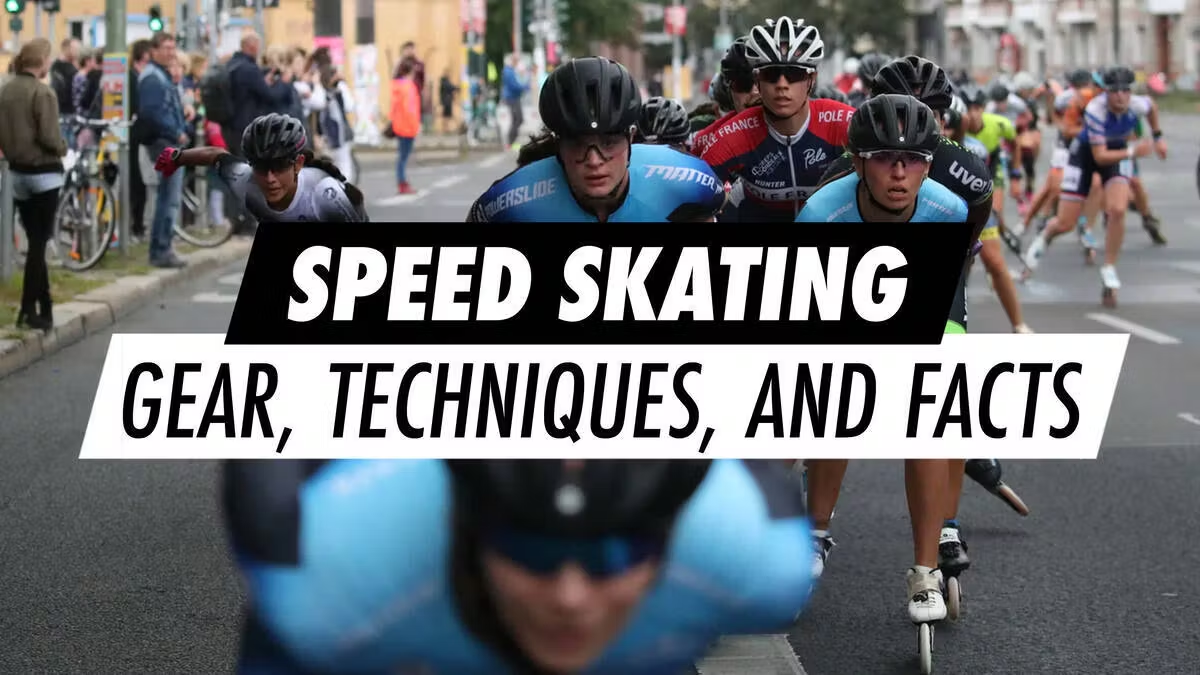
The dynamic sport of speed skating takes inline skating to a new level, emphasizing swiftness and stamina. Are you contemplating trying inline speed skating or simply intrigued by it? This guide sheds light on the unique aspects that distinguish speed skating from other roller sports.
Core aspects of inline speed skating include:
- Technique: Proficiency in complex methods, like the double-push.
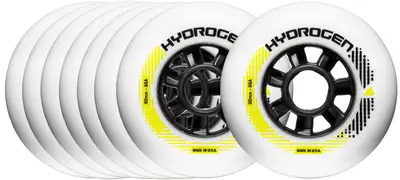
- Equipment: Consists of low, rigid boots, a lightweight frame, and large wheels, reaching up to 125 mm in diameter.
- Speed: Top-tier skaters can achieve speeds of 60 km/h (37 mph) on level ground.
- Community: The sport has a vibrant social side, facilitated through speed skating clubs and gatherings.
Overview

Starting Your Journey in Speed Skating
When considering entry into speed skating, joining a club can be a highly beneficial step. This environment offers advice suited to your personal level, while allowing for shared experiences with fellow enthusiasts.
“The social component is one aspect I truly appreciate about speed skating. Goals are often pursued collectively, yet it remains a discipline where individual practice and competition are also key.” - Trine Brøns Nielsen, former SkatePro Team Rider and Danish champion.
For those not located near a club or lacking personal guidance, the internet offers a wealth of instructional content. Various tutorials cover basic techniques, and detailed guides are available to facilitate learning, aiding you in perhaps starting a club of your own one day.
Essential Equipment for Entering Speed Skating
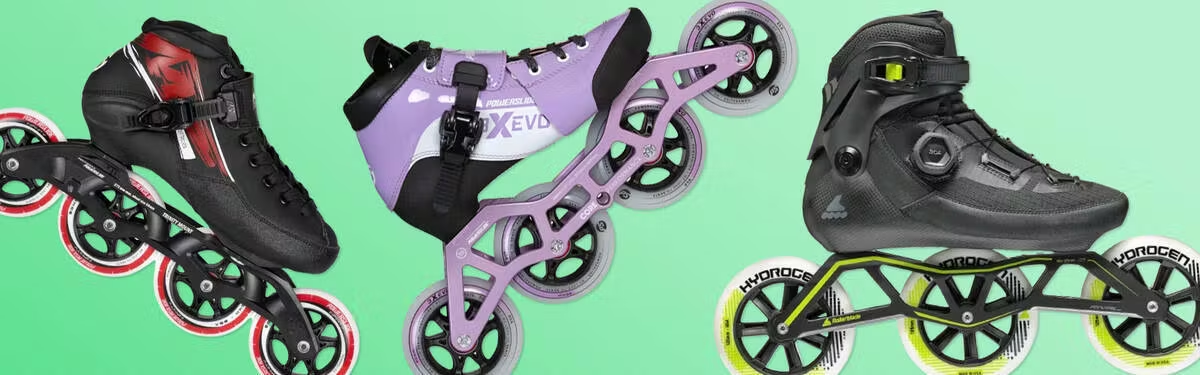
To dive into the world of inline speed skating, you primarily need a pair of speed skates, protective gear, and an appropriate practice venue.
Understanding Inline Speed Skates
Speed skates differ from typical fitness skates due to specific features of the boot, frame, and wheels. In speed skating, precision is critical, and every second counts, which these components reflect.
- Boot Design: Utilizes low-cut boots crafted from stiff carbon fibre, with minimal cushioning for optimal energy transfer.
- Wheels: Larger wheels, up to 125 mm, help sustain speed, while harder rubber minimizes friction for faster gliding.
- Frames: Made from stiff, lightweight materials like aluminum or carbon, ensuring efficient power transfer without flex.
Choosing the correct speed skates depends on your level and aspirations. Beginners might consider a higher-cut boot initially for better ankle support before switching to specialized speed skating boots.
Your intended course, either long distances on rugged roads or sprints on smooth tracks, will influence your equipment choices as well. Softer wheels provide grip on rougher terrains, whereas harder wheels are preferable for smoother surfaces due to reduced friction.
Foundational Speed Skating Techniques
The art of speed skating heavily relies on mastering specific techniques that enhance a skater's performance:
- Skater's Position: Adopt a low center of gravity with a horizontal torso to minimize air resistance.
- Push-Off Technique: Apply strong lateral force with your skates’ edges to maximize each push's effectiveness.
- Arm Movement: The arms help maintain cadence and stability during rapid skating manoeuvres.
- Double Push Technique: An advanced move with an "internal under-push," followed by a lateral extension, generating significant power with each stride.
This slow-motion video vividly illustrates the mechanics behind the double push, body positioning, and arm movement, as demonstrated by experts Mark Horsten and Lars Scheenstra.
Protective Gear: Safety in Speed Skating
Given speed skating’s high velocities, wearing protective gear is imperative, even at the cost of some aerodynamics.
The rolling dynamics of speed skates differ greatly from other inline skates equipped with smaller wheels and supportive cuffs. Novices are prone to falls as they adapt; seasoned skaters can incur serious injuries due to higher speeds.
As your passion for speed skating grows, you will naturally gravitate towards specialized gear designed to lessen aerodynamic drag. However, prioritize safety with comprehensive protection initially, disregarding aerodynamic concerns for security.
The Role of Helmets in Inline Speed Skating
Helmets are mandatory in professional settings to safeguard against head injuries. Whether pursuing racing or recreation, safeguarding your head is non-negotiable to avoid concussions and their lasting effects.
If aiming for a speed-specific helmet, seek a design that emphasizes aerodynamics and ventilation. Consider helmets with MIPS technology for increased protection against rotational impacts. Our skating helmet selection is fully safety-certified.
Insuring Moves with Elbow and Knee Protection
A pivotal factor in speed skating is maintaining movement freedom, which must be balanced with aerodynamic considerations for knee and elbow protectors. For competitive leverage, low-profile options are better than bulky, hard-shell types. Many skaters prefer "sleeve-style" protectors utilizing thin, impact-absorbing materials for the best blend of safety, aerodynamics, and motion capacity.
Preserving Your Wrists in Speed Skating
Protective gear for the wrists and palms is crucial, preventing fractures or tendon damage, which can necessitate lengthy recovery periods. Opt for snug-fitting, durable protection to maintain performance focus without fear of injury. For committed speed skaters, sleek "second-skin" gloves offer safety while preserving dexterity and full range of motion.