Finding a suitable hockey stick requires aligning it with your playing level, height, and style. Consider the size, flex, and the surface you'll be playing on.
The multitude of options can indeed make selecting the ideal hockey stick feel daunting. Whether your game is roller hockey or ice hockey, having the right stick can greatly affect your performance. Below are essential factors to help identify the perfect stick according to your style, skill level, and playing conditions.
- Playing Surface: Select a stick designed for the right environment—ice, roller, or street.
- Material: Opt for a stick constructed from strong yet lightweight materials.
- Length: Choose the stick's measure according to your height and playing style.
- Flex: Determine the flex based on your strength and desired shot style.
- Grip Preference: Decide on left or right based on how you hold the stick.
For more detailed insights into these elements, keep reading!
Overview

Hockey Stick Varieties: Ice, Roller, and Street
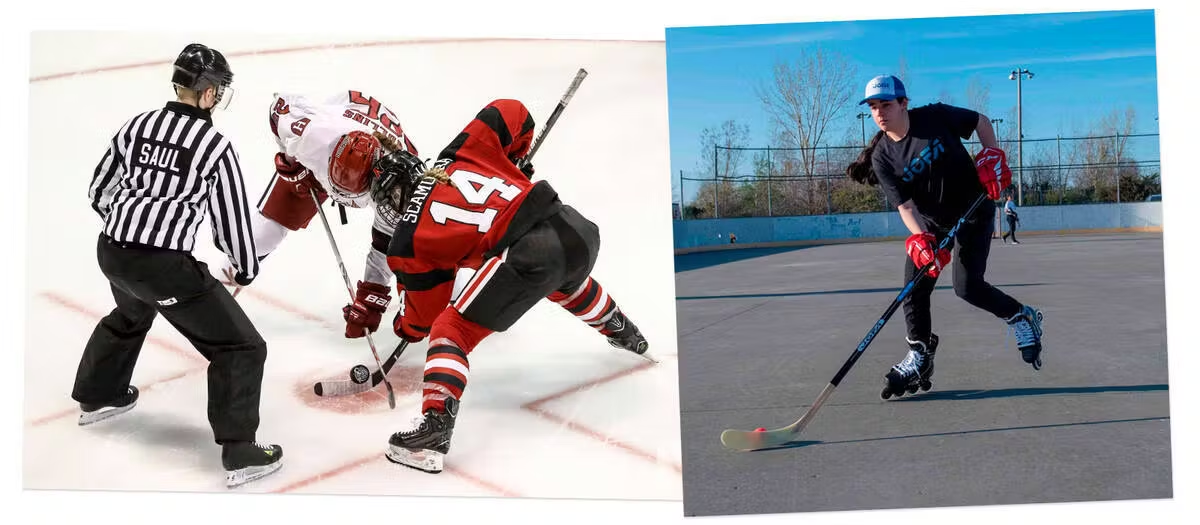
Initially, decide which type of hockey—ice, roller, or street—your stick will be used for. Your choice largely depends on the playing surface and your playing style.
- Ice Hockey Sticks: Specifically crafted for ice use
- Roller Hockey Sticks: Optimized for roller hockey on surfaces like smooth asphalt or sport court tiles.
- Street Hockey Sticks: Made for rugged outdoor surfaces like asphalt, these sticks are designed from robust materials to endure heavy use.
- Versatile Hockey Sticks: Some sticks are well-suited for both indoor and outdoor play, allowing flexibility if you enjoy both street and indoor hockey.
When reading hockey stick product descriptions, note whether they're built for a specific hockey type or surface.
Are Ice Hockey Sticks Suitable for Roller Hockey?
It’s not advisable to use an ice hockey stick for roller hockey due to the rougher surfaces, which will wear down the blade more quickly. Stick to what the manufacturer has intended your stick for if you wish to maintain its usability for longer.
Components of a Hockey Stick
Materials like carbon fibre, fibreglass, Kevlar, and wood are used to make hockey sticks—wood being the classic choice. Nowadays, composite sticks, often blending carbon fibre and fibreglass, are quite common.
The shaft and blade of a hockey stick are usually made from different materials. While the shaft must be both lightweight and durable, the blade needs to absorb high-impact encounters with pucks and balls.
Hockey stick shafts require a strong weight-to-strength ratio and should be flexible to endure without breaking during intense play. Composite materials are precisely tailored for these needs, though certain hardwoods also possess these traits.
The blade needs to be resistant to hard contacts without being too heavy, facilitating player control and accurate shots. Blades may be constructed from carbon fibre, fibreglass, wood, or plastic.
Comparing Composite and Wooden Hockey Sticks
- Wooden Sticks: Known for sturdiness and a classic touch, these heavier sticks are often preferred for street or roller hockey due to their endurance.
- Composite Sticks: Constructed from materials such as carbon fibre, Kevlar, or fibreglass, these sticks are lighter and more flexible, favored in ice hockey and offering enhanced energy transfer and control, though typically pricier.
In our roller and ice hockey stick selections, you can filter options by shaft and blade material.
Finding the Optimal Hockey Stick Length

Picking the right stick length is pivotal for mastery over the puck and shot power. Your height, expertise, style, and preferences all influence your stick length choice.
Short Against Long Hockey Sticks
Shorter sticks enhance control and manoeuvrability, while longer variants provide greater reach. Offensive players often favour shorter sticks, whereas defensive players opt for longer ones.
Determining the Correct Stick Measurement
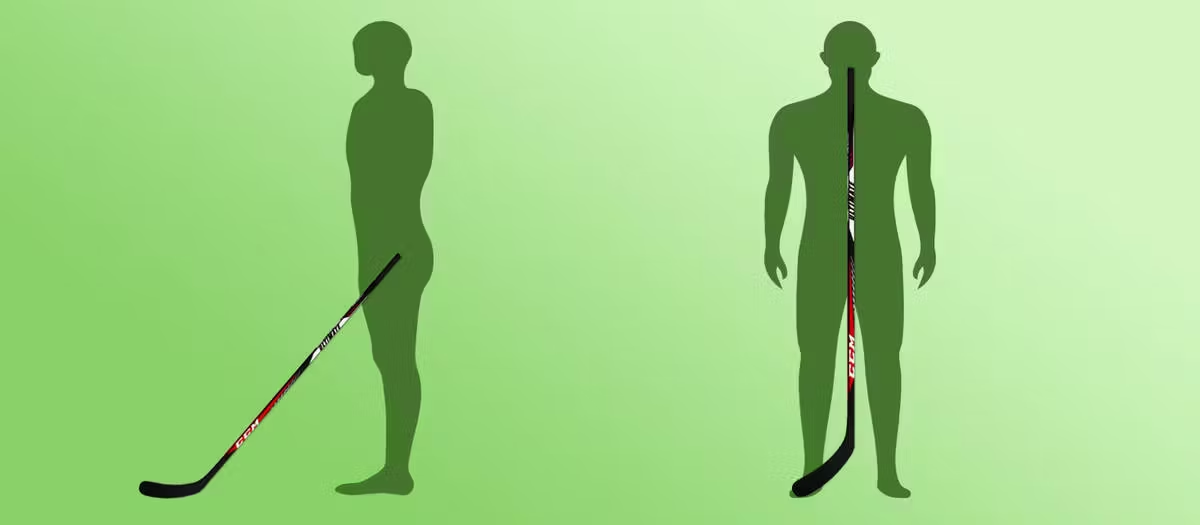
Standing with skates on, grasp the stick's end with a slightly bent arm aligned with your side. If the blade's toe is slightly raised, the length is appropriate.
Alternatively, hold the vertically oriented stick towards your chin, with or without skates.
- With skates: The top should not exceed chin height.
- Without skates: The top should not go beyond your nose's tip.
Many purchase longer sticks to cut them to a desired length, an option that, however, voids the warranty.
Our stick selection filters by length, allowing you to narrow down choices to your preferred length. We also suggest consulting our hockey stick size guide if you have questions.
- Navigate our hockey stick size guide
- Explore our ice hockey stick collection
- Check out our roller hockey sticks
Defining Hockey Stick Flex
Flex measures the stick's bend when force is applied, like during a shot. A higher flex number means a sturdier stick. Your strength and shooting style determine the suitable flex.
- Lower Flex: Facilitates finesse and accuracy, recommended for beginners or younger players due to ease of use.
- Higher Flex: Delivers harder shots with added force, chosen by more skilled players.
Understanding the Role of the Hockey Stick Blade Curve
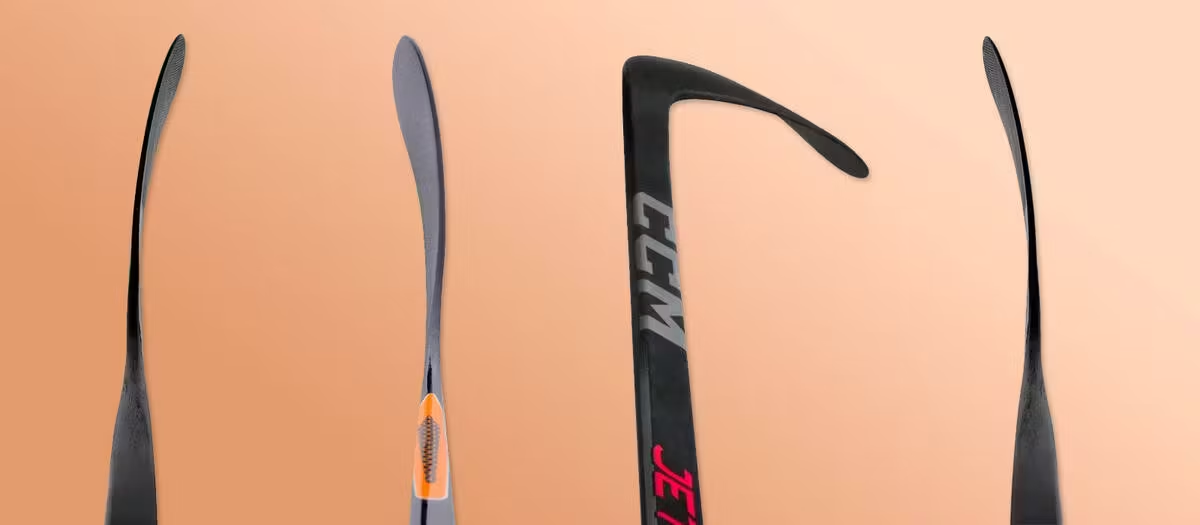
A blade’s curve crucially impacts puck/ball handling during shooting, passing, and dribbling. Experimenting with curves helps find a natural fit for your gameplay.
Curling creates a ‘pocket’ for improved puck/ball control and consistent, enhanced shot strength.
Deciding Between Left-Handed or Right-Handed Hockey Sticks
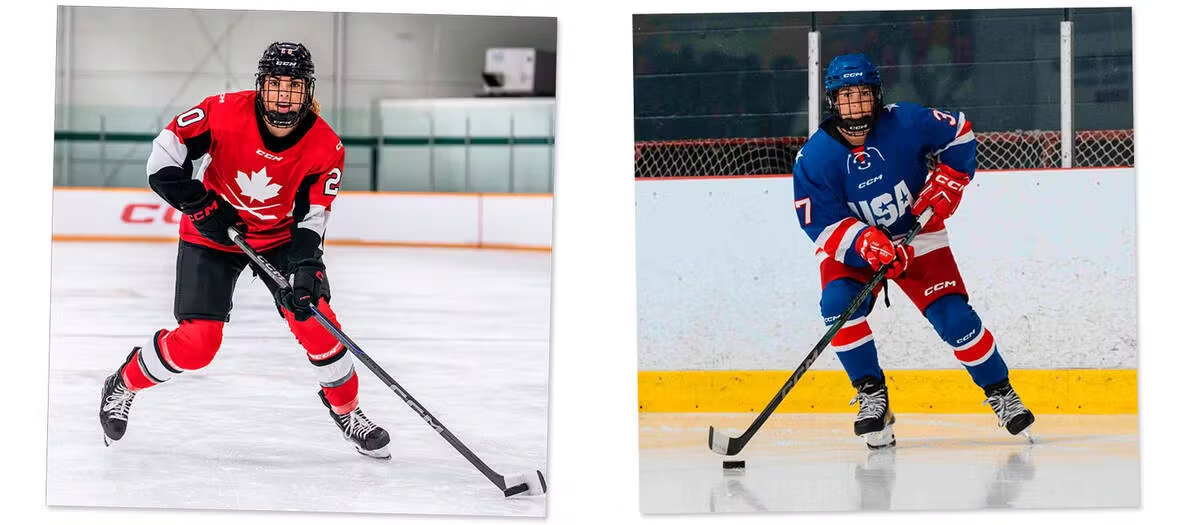
Choosing a left or right-handed stick aligns with your hand positioning rather than whether you naturally use your left or right hand. Which hand guides your stick ultimately determines comfort.
Conduct a simulation shot action with a hockey stick held in both hands to assess your preference:
- Left-Handed Stick: Use if your puck is on the left, with the right hand holding the top and the left closer to the blade.
- Right-Handed Stick: Choose if the puck is on the right, left hand atop, and right hand near the blade.
Watch Nicklas's demonstration to help you discern which handed stick suits you.
Visit our complete selections for roller and ice hockey for all the hockey essentials: