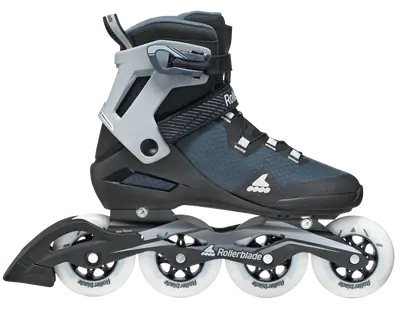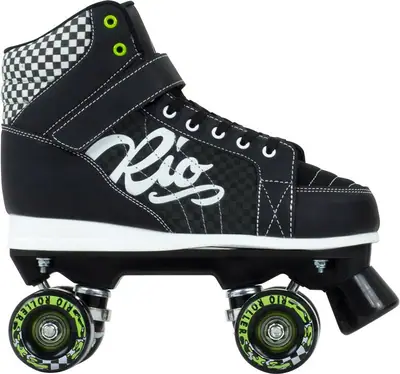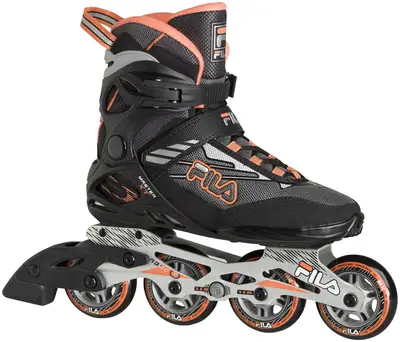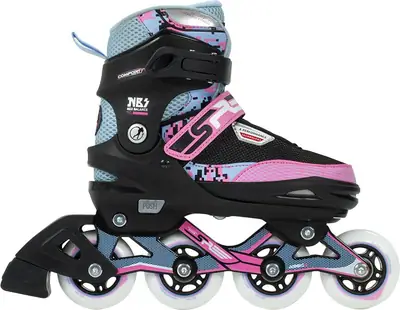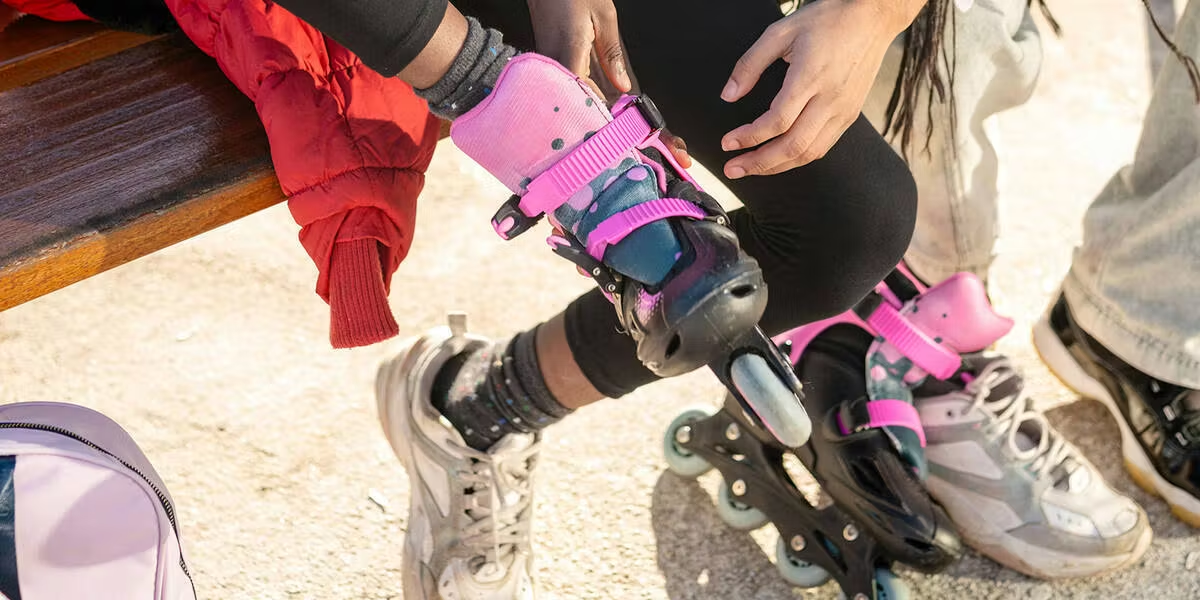
If you’ve just laced up a fresh pair of inline skates for either fitness or leisure, this guide has crucial tips for you. It provides insights for newbies facing discomfort, blisters, or pain, and for more experienced skaters getting used to a new boot, aiming to accelerate the break in and get comfortable swiftly.
You've picked up your first inline skates, eager to start your skating adventure. On trying them on, panic might set in if they feel excessively tight and press on tender areas. No worries, we’ve got your back! We’ll cover how to break in new inline skates and navigate the break in phase with ease.
Overview

Overview
Why New Inline Skates Cause Discomfort
As much as you’re thrilled about your new skates, they might initially feel uncomfortable, which is entirely normal. Your boots may be stiff, your feet adapting to a new boot shape, and your muscles not yet accustomed to the skating motion. These elements can cause initial discomfort during this adjustment period.
- Expected: moderate pressure on toes or ankles, or slight soreness that subsides after brief sessions.
- Concerning signs: sharp pain, persistent pressure, numbness, or unrelenting blisters indicate an ill fit.
Pro Tip: You can’t switch your inline or roller skates for a different size if they show signs of use. We suggest testing the skates indoors or on a clean surface. This will help you confirm the correct size.
We’ll dive into fitting details in the following sections.
Ensure Proper Fit Before the Break In
Before you work on breaking in your new inline skates, it’s vital to confirm the fit is appropriate. Tight boots can pinch, cause blisters, or hinder circulation, while overly loose boots allow foot sliding, resulting in soreness and instability. Ensuring a proper fit right from the beginning enhances your skating experience significantly.
Tips to evaluate fit:
- Heel and ankle: Ensure your heel is snug without lifting during walking or skating.
- Toes: Allow some wiggle room. Avoid cramping against the front.
- Width: The boot should hug your midfoot comfortably, without being painfully tight.
- Laces and closures: Maintain even tension to avoid creating "hotspots" and discomfort.
Securing the proper fit initially simplifies the break in process and provides a pain-free skating experience. Remember, no amount of breaking in can resolve an inappropriately fitting boot.
Breaking in New Inline Skates
Once you’ve verified the correct fit, start breaking in your skates! The early sessions focus on helping your boots and feet settle in comfortably, keeping these aspects in mind:
- Socks: Choose moisture-wicking socks; steer clear of cotton to fend off blisters.
- Proper lacing: Initially keep it loose, snugly adjust the ankle strap but avoid overtightening.
- Begin with short sessions: Skate for 20 to 30 minutes on smooth terrain. Continue to lengthen distances gradually.
- Posture: Slightly bend your knees to prevent toe gripping.
- Optional customization: Some liners are heat moldable for a customized fit.
- Minor discomfort is normal: Hotspots or slight blisters are expected. Persistent pain = check fit.
Pro Tip: Most users achieve initial comfort after approximately 5 to 10 miles of inline skating. Patience is key as your skates and feet adjust with regular use.
Preventing & Addressing Blisters & Foot Pain
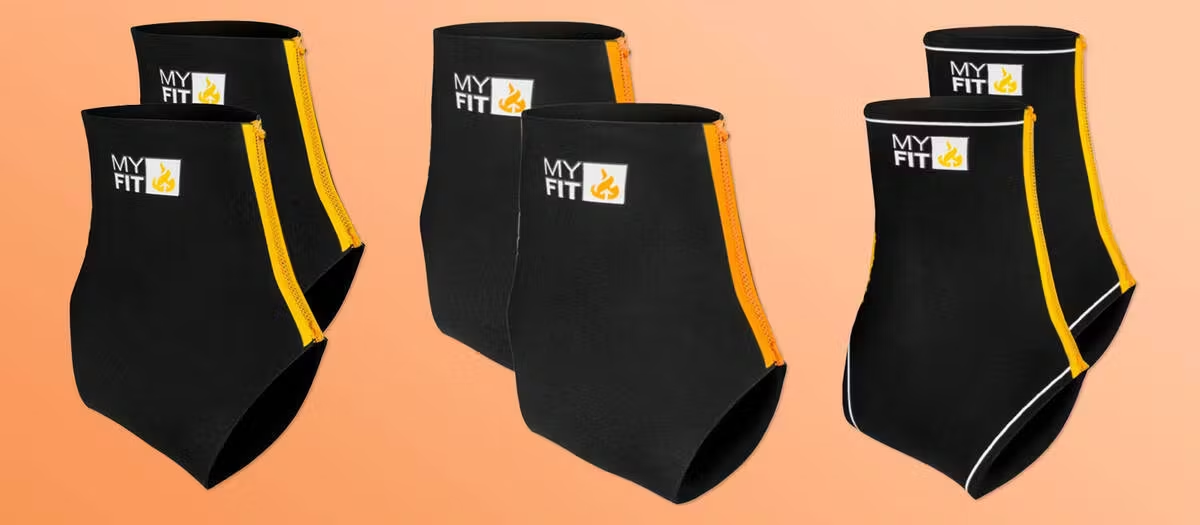
Blisters often surface on your ankles, heels, or foot tops/sides, generally due to incorrect boot rubbing, unsuitable socks, or improper sizing. But fear not! With a little attention and some helpful tricks, you can keep your feet cozy and look forward to longer, pain-free skating.
A helpful initial step is using ankle sleeves or neoprene footies. These accessories cushion sensitive points and minimize friction. Lacing and strap adjustments are essential too, ensuring your foot is secure without pinching. If your feet shift around, consider modifying or swapping insoles for a more secure fit and added stability.
While skating, take brief pauses to check your feet, a simple act that can prevent a small hotspot from evolving into a full blister. Carrying blister pads or tape is prudent to shield trouble spots from slowing you down.
If a blister develops, don’t ignore it. Allow healing time, address it suitably, and reassess the boot fit and socks to prevent recurrence.
With the appropriate fit, some protection, and care, you can keep painful blisters at bay and enjoy smoother skating.
Duration to Break In New Inline Skates
Most skaters begin noticing comfort improvement after 2 to 3 sessions (around 5 to 10 miles). However, experiences vary depending on boot type, brand, liner, foot shape, and usage.
If discomfort lingers for weeks, there’s likely an issue. The boot might not match your foot in width or length, or isn’t suited for your foot shape.
Tips to facilitate break in:
- Commence with short sessions.
- Stroll indoors to soften the liner.
- Gradually elevate distance and intensity.
With time and prudent progression, your skates should grow more comfortable, so you can embrace longer, pain-free rides.
Break In Tips and Tricks
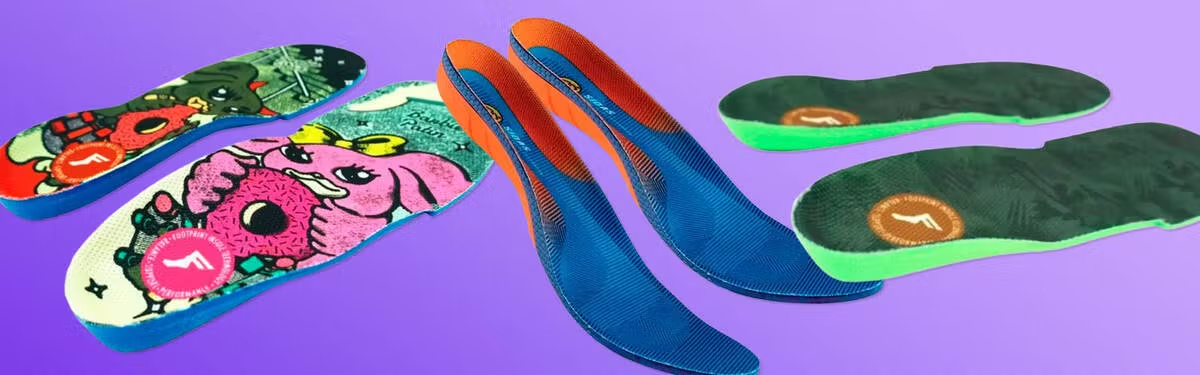
Apply these straightforward hacks to get your new skates comfy faster:
- Go for thicker or technical socks to reduce friction and enhance boot fit.
- Consider heat moldable liners or boots for a custom fit if your skates offer this feature.
- Employ quality insoles to bolster support and comfort.
- Wear your skates at home to soften liners ahead of longer outings.
Common Questions
What causes foot discomfort while skating?
Foot pain often arises from poor fit, incorrect lacing, or technique flaws. Continuous discomfort should prompt a fit review. If fit isn’t an issue, check how you lace up. If your heel lifts during skating, ankle blisters are likely, which proper adjustment and tightening might remedy. Technique also impacts comfort. Check our guide:
Are new skates expected to feel tight or painful initially?
During the break-in period, a snug fit is anticipated, but severe pain or numbness are not. Your toes should have the ability to wiggle, while your foot remains securely held within the skates.
How many sessions or kilometers to effectively break in new inline skates?
Comfort generally improves after about 2 to 3 sessions, or around 5 to 10 kilometers. The time frame varies by unique circumstances, so no definitive answer exists.
How can I prevent skating blisters?
Utilizing proper socks, ankle sleeves, or footies, securing boots, and taking time to assess feet helps. Should you develop blisters and allow healing without precautionary actions, you may face recurrent ones. Follow this advice:
- Eliminate sizing issues – skates that are too small won’t be comfortable and won’t stretch with continued use.
- Verify proper lacing, tightening your skates to avert heel lifts.
- Consider ankle sleeves.
Actions to take if fit still feels wrong post break in?
Reevaluate the boot size, width, and socks. Persistent discomfort suggests an ill-fitting boot.
Can insoles improve skating comfort or fit?
Indeed, quality insoles enhance arch support, secure fit, and overall comfort.
Learn more about insoles for inline skates in the accompanying video, where Jeppe discusses insoles, shock absorption, and more.
Are there any rapid break in strategies?
Engage in brief sessions, practice walking indoors, and wearing skates at home can alleviate the process.
Is it acceptable if my toes touch the front of the boot?
Gentle contact is alright, but pressure or tightness isn’t.
Can I engage in lengthy skate sessions with new boots?
It’s advisable not to. Gradually increase your skating time throughout the break in phase.